


News and Information
Common errors when using wave soldering machines in SMT production
2026-03-02
Wave soldering machines are among the critical pieces of equipment in SMT production lines, particularly when handling through-hole components. However, during operation, these machines can encounter various malfunctions that compromise solder joint quality, thereby reducing both productivity and product quality. The following article will analyze… Common defects encountered when using wave soldering machines, along with an analysis of their causes and troubleshooting methods, enable businesses to optimize their soldering processes and minimize defect rates.
Classification of wave soldering defects
Common errors when using a wave soldering machine They can be classified into several types based on various causes. The following are some common errors:
Solder-related defects
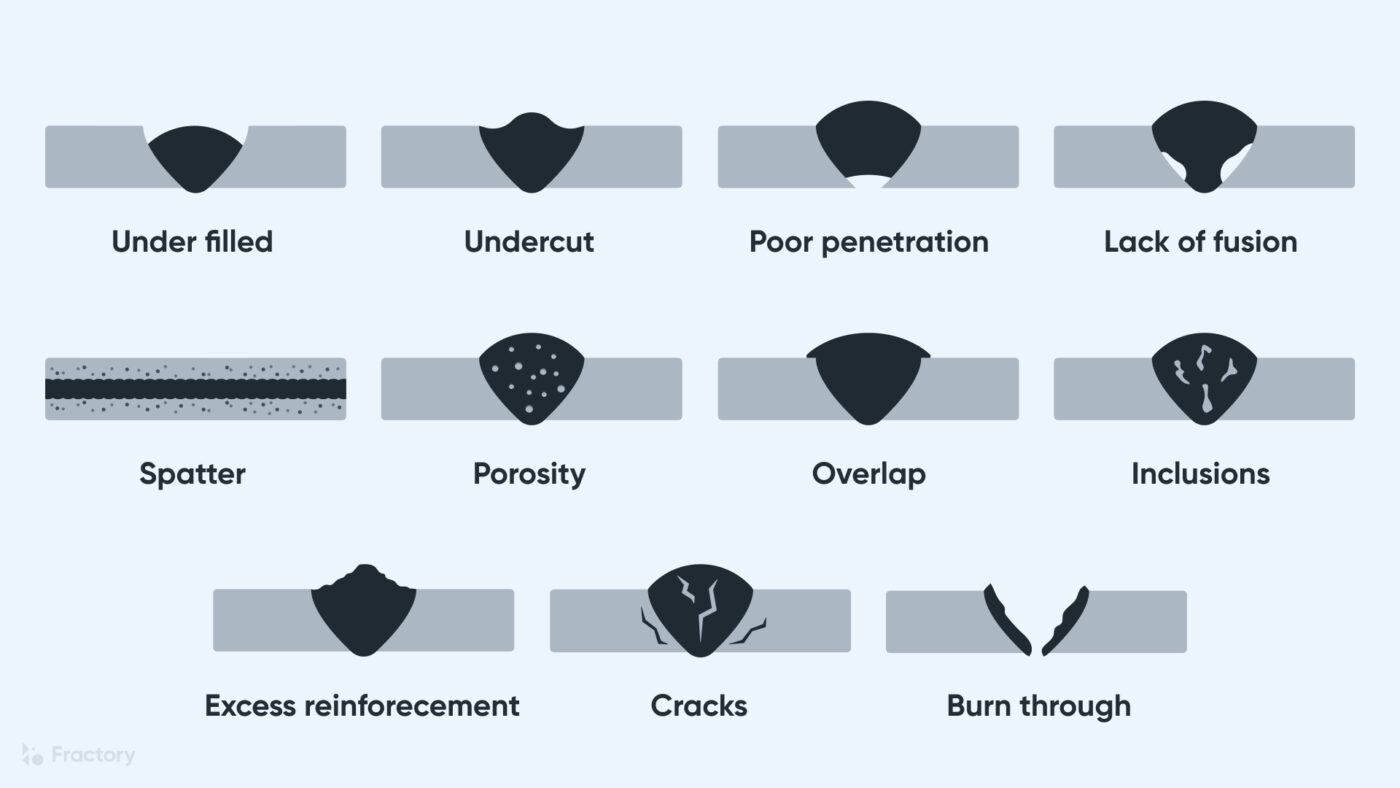
Welding: This defect manifests as small tin beads around the weld joint, caused by unstable temperature, excessively fast welding, or an inappropriate amount of flux that evaporates too rapidly.
- Welding bridge: This is a defect in which solder joints become shorted due to excess solder, excessively close spacing between component leads, or an improper PCB tilt angle.
- Soldering: Insufficient solder, excessively low solder wave height, or inadequate flux can result in unreliable electrical connections.
- Oxidation of tin: The oxidation of the solder surface reduces its wettability, which may be due to inadequate control of the shielding gas during welding.
- Non-welding error: This may be due to oxidation of the PCB, insufficient solder flux, or an inadequate soldering temperature.
- Weld porosity defect: The primary causes of this defect are moisture or trapped gases remaining during the soldering process, uneven surface coating on the PCB, or unstable solder alloy quality.
Fault due to components and PCB
- Cold welding: The weld has a dull surface and insufficient adhesion due to inadequate temperature.
- No tin adhesion: The solder does not adhere to the pad surface due to contamination of the OSP layer or the component’s surface.
- Component fire: Components are damaged due to excessively long soldering times or excessive temperatures.
Error due to parameter settings
- Inappropriate conveyor speed settings: If the conveyor speed is too fast, the solder will not have enough time to adhere. If it moves too slowly, the heat may scorch the PCB.
- Incorrect preheating temperature: If the set temperature is too low, the solder will not melt evenly. Conversely, if the temperature is too high, the flux may evaporate prematurely.
- Unstable solder wave speed: If the solder wave is not strong enough, the solder will fail to fully coat the component leads; if the wave is too strong, it may cause solder overflow.
Environment-related error
- High humidity is a factor that affects the flux, resulting in non-uniform welds.
- Airborne particulates can adhere to solder and PCBs, leading to defects in solder joints.
Methods for inspecting and detecting wave soldering defects
To check Common faults encountered when using a wave soldering machine; technicians typically employ the following methods:
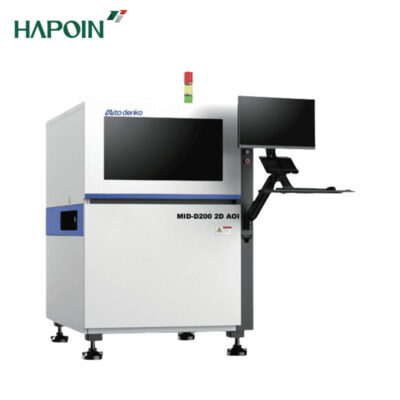
- Using an AOI machine: An automated optical inspection system helps detect soldering defects quickly.
- Microscope or X-ray equipment: Particularly effective for inspecting the internal solder layers of multilayer PCBs.
- Weld strength testing: The methods used are the pull test or the bend test to assess the strength of the weld.
Methods for preventing and minimizing soldering defects
- Control of welding temperature and speed: It is necessary to maintain the soldering tank temperature within the range of 245–265°C. This helps ensure that the soldering oven system can precisely regulate the temperature. In addition, the conveyor speed should be adjusted appropriately to optimize the contact time between the solder wave and the PCB.
- Regular maintenance: Regularly clean the wave soldering system, including the solder bath and wave nozzle, to prevent contaminants that can cause defects and ensure stable machine performance.
- PCB and component quality inspection: It is necessary to ensure that there is no contamination or oxidation.
- Selecting the appropriate welding alloy: Welding alloys must meet quality standards to prevent adverse effects on the weld joint. Fluxes should also be selected to suit the specific welding alloy, avoiding both excessive and insufficient amounts.
- Inspect and adjust the welding process: Use an AOI system to promptly detect post-soldering defects. Based on the inspection results, adjust the soldering parameters accordingly.
- Training the operations team: Regular training to enhance knowledge and skills for promptly identifying defects and resolving issues.
To limit Common defects encountered when using wave soldering machines require businesses to implement stringent control measures and optimize the soldering process.
Current trends in wave soldering technology
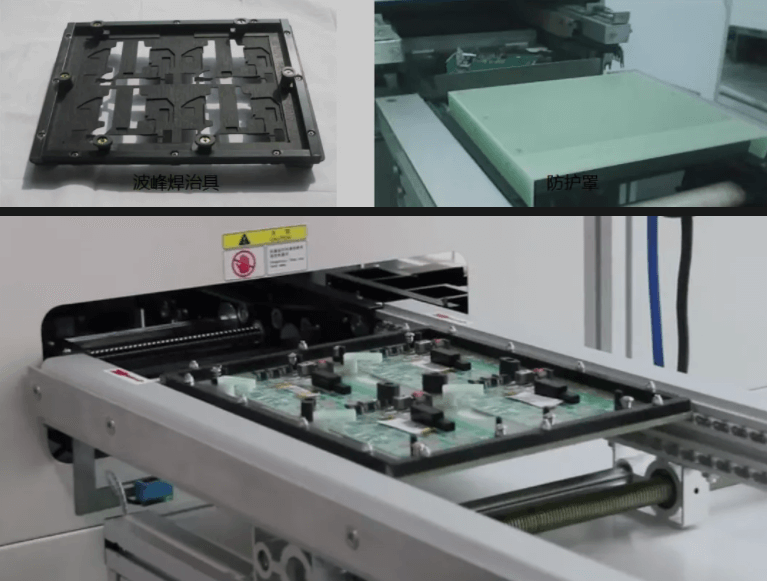
- Application of lead-free solder alloys to meet standards RoHS , environmentally friendly and safe for users.
- Integrated automatic temperature sensors help better control thermal parameters and reduce soldering defects.
- Using an automated optical inspection (AOI) system after soldering helps ensure that weld quality meets the highest standards.
- Develop hybrid wave soldering technology by combining conventional wave soldering with emerging technologies to enhance manufacturing efficiency.
- Optimize the shielding gas control process to minimize oxidation throughout the welding process.
Conclusion
The matter Common errors when using a wave soldering machine Moreover, implementing preventive measures will help businesses enhance product quality, reduce defect rates, and optimize production processes. In addition, staying abreast of emerging technological trends in wave soldering will enable companies to keep pace with industry developments and the evolving landscape of the SMT sector. To gain a deeper understanding of wave soldering technology and the latest wave soldering equipment, contact Hapoin today for prompt expert advice!
Previous:
Contact Us
Contact Number:
+86 21 6088 8500
+86 4006 777 950
+86 150 2686 5822
Email:
marketing@hapoin.com
Headquarter Address:
6, South Metropolis Garden, No. 1165, Jindu Road, Minhang District, Shanghai
OUTLETS
Service Outlets

Shanghai-Head Office
Shanghai Hapoin Enterprise Development Co., Ltd.
Address: Building 6, Southern Metropolis Garden, No. 1165, Jindu Road, Minhang District, Shanghai
Telephone:+86 150 2686 5822
Email:info@hapoin.com
Shenzhen Branch
Shenzhen Hapoin Ruihe Technology Development Co., Ltd.
Address: Room 302, 3rd Floor, Building B, Kaicheng High-tech Park, Dalang Street, Longhua District, Shenzhen
Telephone:+86 755 2223 2285
Email:sales@hapoin.com
Hong Kong Branch
HAPOIN ENTERPISE LIMITED
Address: Unit 917A, 9/F., Tower A, New Mandarin Plaza, No. 14 Science Museum Road
Telephone:+00852 61187991
Email:sales@hapoin.com
Vietnam Branch
HAPOIN VIETNAM
Address: 6th Floor, CTM Office Building, No. 139, Zhipiao Road, Zhipiao District, Hanoi, Vietnam
Telephone:+84 398 848 969
Email:sales@hapoin.com
Japan Branch
HAPOIN CO., LTD.
Address: 6th Floor, 2-3-8 Iwamotocho, Chiyoda-ku, Tokyo
Telephone:+81 070 9356 1267
Email:sales@hapoin.com
Kunshan Office
Kunshan Office
Address: 10th Floor, Building B, Modern Plaza, No. 8, Weiye Road, Yushan Town, Kunshan City
Telephone:+86 150 2686 5822
Email:sales@hapoin.com
Taipei Branch
Uniwin Chemical Co.,LTD.
Address: No. 14, Alley 3, Lane 250, Section 2, Huanhe South Road, Taipei 10853
Telephone:+886 02 2336 2202
Email:sales@hapoin.com
Beijing Office
Beijing Office
Address: Room 306, Building 4, Zhongtou Oriental, West Zhihe North, Chaoyang District, Beijing
Telephone:+86 150 2686 5822
Email:sales@hapoin.com






Contact Number
Headquarter Address
6, South Metropolis Garden, No. 1165, Jindu Road, Minhang District, Shanghai
Follow the official account
Follow the video account

